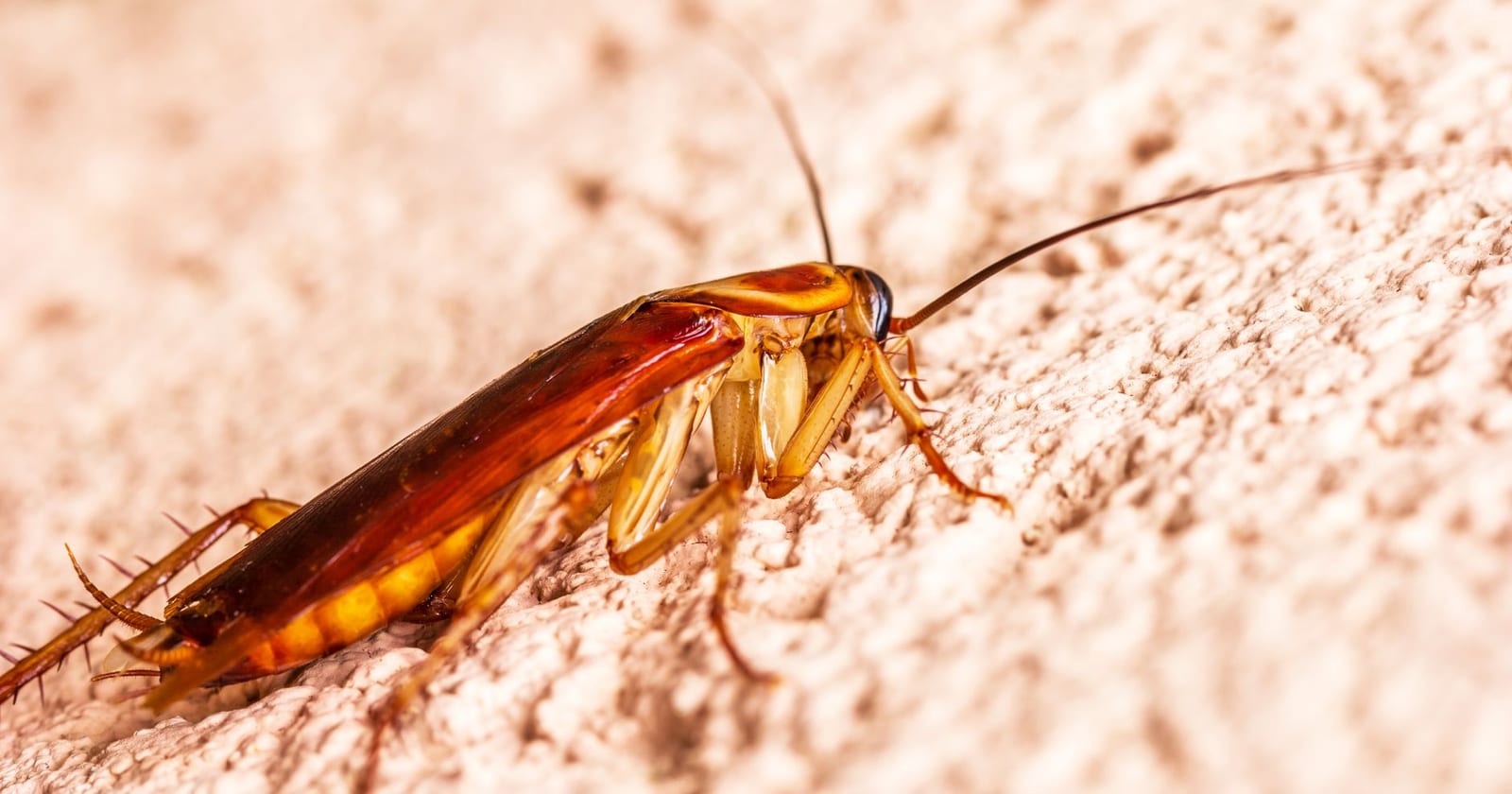
Cockroaches are a fact of life in New York apartments, but they don't have to be. The two you'll meet most are the small German cockroach — which breeds explosively in kitchens and bathrooms — and the large "water bug" (American and Oriental cockroaches) that comes up from basements, drains and shared plumbing chases.
Over-the-counter sprays make German cockroach problems worse: they scatter the population and breed bait-shy roaches. Our approach uses professional gel baits and precise crack-and-crevice treatment placed exactly where roaches harbour — under appliances, inside cabinet voids, around plumbing — so the colony eats it and collapses.
Because roaches travel between units through wall voids and plumbing in NYC buildings, we treat with the building in mind and advise on the moisture and sanitation conditions that let them thrive.
Why do cockroaches keep coming back in NYC apartments, and what actually works?
The German cockroach is the species behind most New York apartment infestations, and its biology is why they explode: several nymphs emerge from each bean-shaped egg case — up to 40 for the German cockroach — and the University of Kentucky notes it is typically introduced in infested grocery bags, beverage cartons or second-hand furniture rather than crawling in from outside. (University of Kentucky Entomology — Cockroach Elimination in Homes and Apartments)
Many New Yorkers call any large basement roach a 'water bug,' but University of Minnesota Extension identifies that insect as the Oriental cockroach, which prefers dark, damp places like basements, cellars, crawl spaces and sewers and is often found near drains, leaky pipes and under sinks. Correctly identifying the species determines where treatment should be targeted. (University of Minnesota Extension — Cockroaches)
Cockroaches are a leading indoor asthma trigger: NYC Housing Preservation & Development lists cockroaches among the allergens that can cause asthma attacks or make asthma symptoms worse, and Local Law 55 of 2018 requires owners of buildings with three or more apartments to keep tenants' units free of pests and to safely fix the conditions causing them. (NYC HPD — Indoor Allergen Hazards (Mold and Pests))
For lasting control, the University of Kentucky reports most householders get better results from bait than from sprays — gel baits placed with a syringe are often the most effective option, and used correctly can rival professional extermination. It also warns not to spray cleaners or insecticides near bait, as that can discourage roaches from feeding on it. (University of Kentucky Entomology — Cockroach Elimination in Homes and Apartments)
Gel bait vs surface spray — which clears a roach infestation?
| Gel bait (syringe) | Aerosol / liquid spray | |
|---|---|---|
| Reaches roaches in cracks and harborage | Yes — injected directly into hiding places | Limited — mostly treats exposed surfaces |
| Affects roaches that never touch it | Yes — secondary transfer via feces and sputum | No secondary effect |
| Risk of scattering the infestation | Low | A repellent contact spray can scatter roaches |
| Effectiveness for householders (per UKY) | Often the most effective; can rival professional results | Less effective unless harborage is precisely targeted |
Signs you have a cockroach control problem
- Live roaches in the kitchen or bathroom, especially at night when you turn on a light
- Small dark droppings (like ground pepper or coffee) in drawers and cabinet corners
- A musty, oily odour in heavily infested kitchens
- Egg cases (small brown capsules) tucked in cabinet seams and behind appliances
- Large 'water bugs' emerging from drains, basements or around plumbing
Why Brooklyn Heights sees this
New Yorkers call large Oriental and American cockroaches "water bugs" — they ride up through drains and shared plumbing, so we treat drain lines and plumbing chases, not just surfaces.
In multi-unit buildings we coordinate treatment across adjacent apartments to stop roaches simply migrating next door.